
Wired for connection, confused on how to get it
One of the most surefire ways to bring out your inner wounding and core beliefs, is by having emotional connections to people.
By loving someone.
Does that mean you have to avoid relationships? Nein, that would be the end of us!
It means you might need some help and guidance navigating them. So you don't get lost in the maze of confusing feelings!
Extremely fascinating creatures we are subhaan Allaah, and if we spend time being curious about ourselves, we learn a lot about human happiness.
In my previous blog post, I touched upon the multifactoriality of depression, a topic that's near and dear to my heart due to my own years of struggling with varying forms of it.
Many of the coaching clients I've helped on their journey to improved quality of life and iman have struggled on and off with depression or postpartum depression, it's just a very common human experience.
You'll hear me say that a lot, because it's ridiculous how many of us feel ashamed for it.
As if the presence of depression is somehow a proof of our weakness in faith.
Eyeroll!
I know a lot of people who are most certainly not depressed but are the worst of sinners and oppressors so yeah, definitely not a criterium to judge people by!
So now that we've established its normalness, which by no means means it's EASY... Let's move on to something useful that can help us stave off depression:
Positively answering our internal wiring for connection.

Let's explore some examples of how we are wired for connection:
Oxytocin and Dopamine:
Oxytocin, often referred to as the "love hormone" or "bonding hormone," is released during social bonding activities such as hugging, kissing, or other forms of physical touch. Dopamine, a neurotransmitter, is associated with pleasure and reward and is released during positive social interactions.
Basically, we release rewarding hormones that reinforce what we just did - connecting.
Neurobiology:
The brain has specific neural circuits dedicated to social behavior and connection. The limbic system, which includes structures like the amygdala and hippocampus, plays a crucial role in processing emotions, memories, and social cues.
Attachment Theory:
Attachment theory, developed by John Bowlby, emphasizes the importance of early caregiver-infant relationships in shaping a person's ability to form and maintain relationships throughout life. Secure attachments in infancy contribute to a sense of safety and security in later relationships.
Emotional Regulation:
Social connections provide emotional support and help regulate stress and negative emotions. Having a network of supportive relationships is linked to better mental health and well-being.
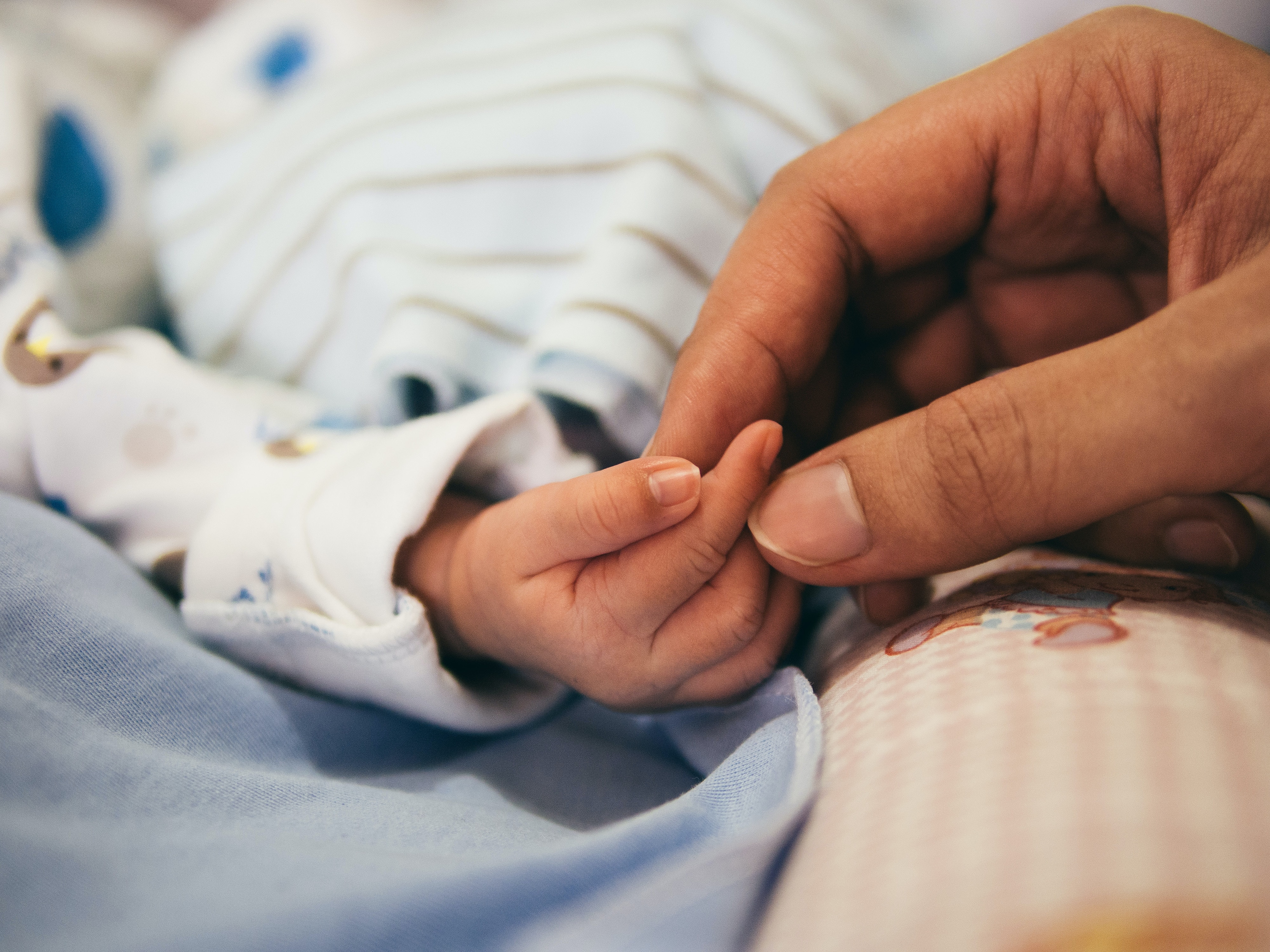
So now that we've understood some of our wiring... It's not so strange that we're willing to go many miles to get it!
Especially as children and young adults who's brains and nervous systems are still developing, and who have a higher dependence on caregivers and mentors.
Go back on your steps and ask yourself how many adults you had in your life that expressed care towards you and were open to hearing your concerns and feelings?
I mainly remember critical adults, and I was too young to understand that this can be a form of caring too. To me, it just felt like rejection.
And so I grew up avoiding rejection at all cost.
As a child, acceptance will always come before authenticity.
You will stifle yourself in order to fit into the frame you think you need to be in, in order to be loved.
Let's skip my teenage years and fast forward to my life as a married Muslim mom (I reverted to Islam when I was 18), where I tried to be everything for everyone.
As my responsibilities grew, so did my fatigue, because I wasn't enjoying much of it...
Why? Because I wasn't connected to my deeper self, to my needs, I couldn't sense my boundaries until I was already overwhelmed, irritated, angry, heartbroken and eventually, when my system started breaking down, depressed.
In my quest to please others and be accepted and loved, I forgot to love myself better...
I hope my story illustrates how one human need can lead us to neglecting another, authenticity and loyalty to self.
Caring for others is beautiful and is part of your bigger purpose in life, but can be overshadowed by childhood wounds triggering us over and over whilst trying to nourish and be nourished by our different relationships.
In my work with clients who opted for high touch support, I provided them with an extensive questionnaire that helps us understand their childhood experience better.
With that information in mind, we go over daily experiences, conversations and thought processes to actively process what the triggers are trying to tell her.
Step by step we connect her deeper to her authentic self, and amplify that voice.
Only when she is willing to listen to herself, she can start authentically listening to others too.
Because people-pleasing is not about helping others, it's about finding emotional safety for yourself.
Together, we work on creating real inner safety, via self-connection and direct and constant closeness to Allaah 'azza wa djall.
We work on stepping into her purpose, a strategy for setting boundaries with the people in her life and creating energy and joy from within (instead of leaving those sources external).
After that, their relationships flourish, parenthood becomes meaningful and she becomes her own best friend!
If that sounds too good to be true, it really isn't. With enough of the right ingredients, your system can and will heal, bi idhni Llaah.
And healthy love is definitely a key factor. (click to get the free marriage eBook!)
I know you can't get enough of learning about yourself, it's addictive isn't it? Make sure to check out + like our instagram posts!
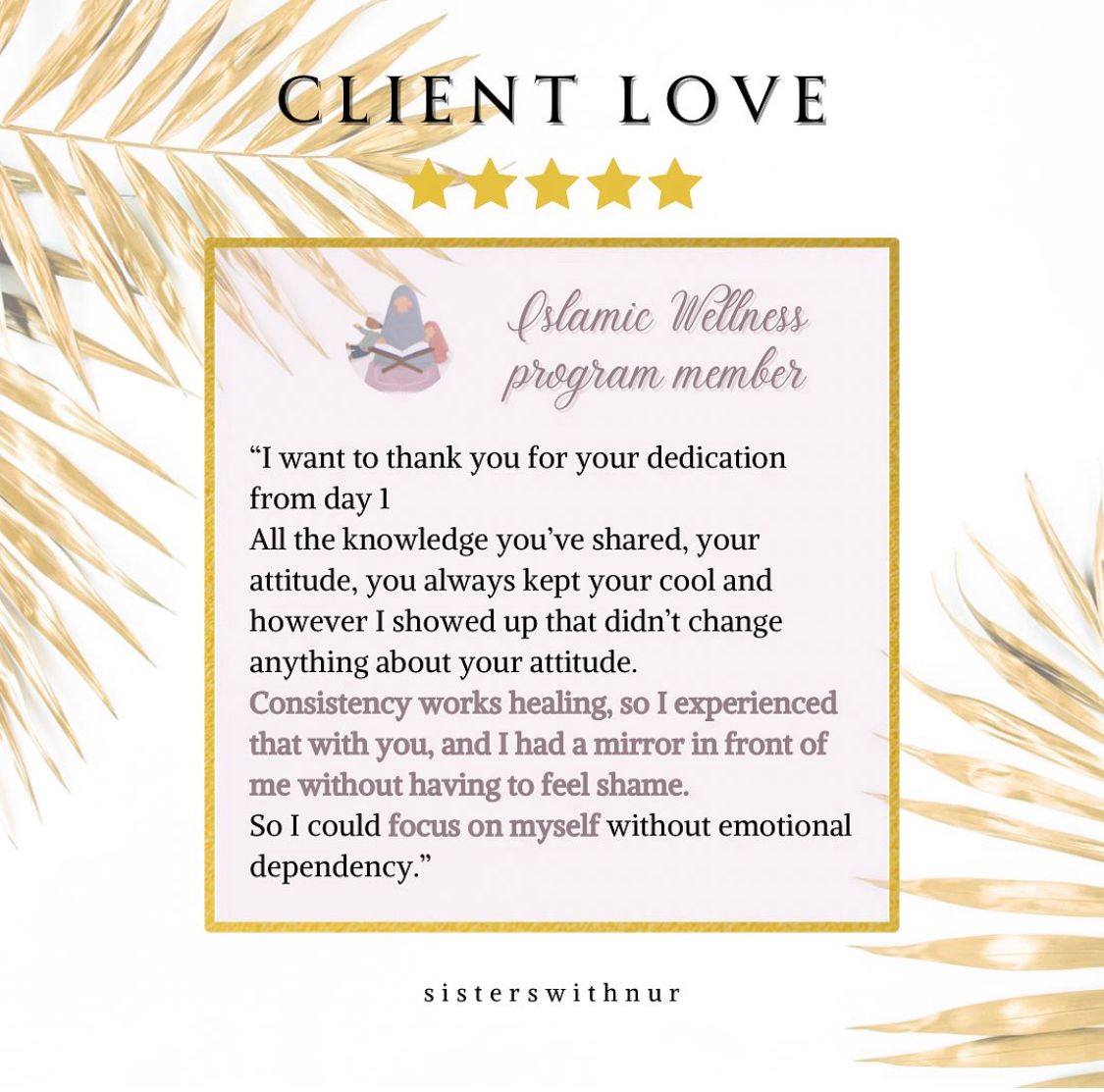
Asking for support and investing in your best self can feel overwhelming because it's unfamiliar ground.
That's why I offer Muslim women a first free Vision Call to build trust and get clarity before you commit to a coaching trajectory together.








About me
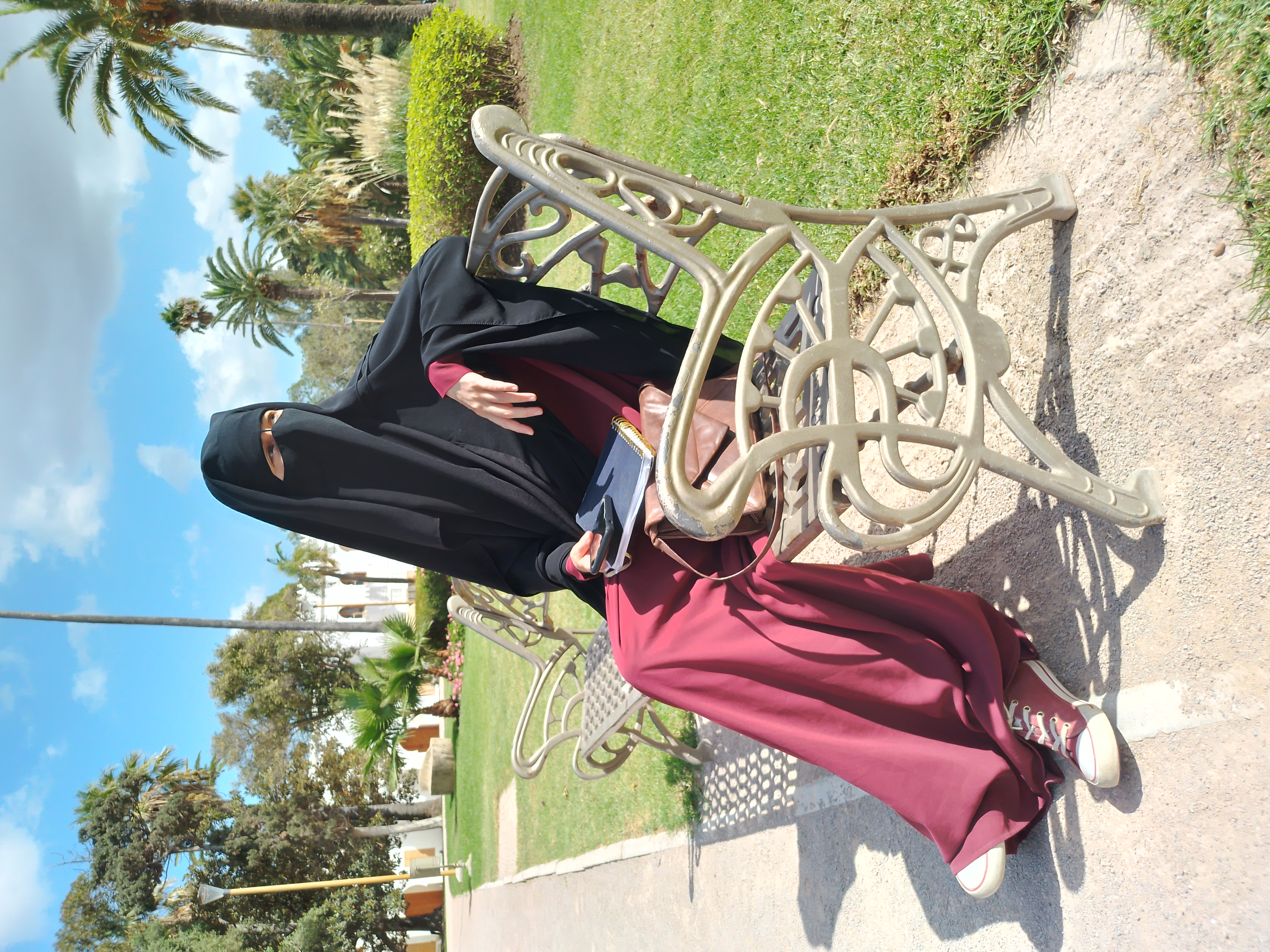
Assalaamu 'alaykum wa rahmatullaah! I'm Amaani, your Islamic highest wellness coach and content writer. Passionate about Muslimah mental health from an Akhirah perspective!

Support the writer
Support the writer with a cup of coffee or a small donation to keep this blog going.