
Mental Happiness Ramadan Recipes
I'm so happy to share with you something that excites me a lot:
Recipes that support your mental health and wellbeing!
Food needs to make sense in the bigger picture, not just serve to please.
I'm not opposed to the idea of using food for pleasure, but within the frame of self-control... Otherwise it becomes something that controls you and ages you faster.
Below I'm sharing the meal planner templates I use in my Ramadan Course and several iftar recipes that help keep your brain healthy, and with that improve your mental wellbeing bi idhni Llaah.
PS. I'm using measurements for those who like that, but if you want to wing it or want to cook for more than 2-4 people, by all means use however much you want of each ingredient.

Click here to download the meal planner templates
1. Persian Saffron Chicken with Almonds & Barberries
A protein-rich dish with anti-inflammatory saffron and brain-boosting almonds.
Ingredients:
500g chicken breast or thighs, cut into pieces
1 small onion (80g), finely chopped
2 tbsp (30ml) olive oil
½ tsp salt (3g)
½ tsp turmeric (1g)
½ tsp cinnamon (1g)
100ml saffron-infused water (pinch of saffron dissolved in warm water)
30g sliced almonds, toasted
20g barberries (or cranberries)
Instructions:
Heat olive oil in a pan and sauté the onion until golden.
Add chicken, turmeric, cinnamon, and salt, and cook until browned.
Pour in saffron water, cover, and simmer for 20 minutes.
Stir in barberries and almonds. Cook for 5 more minutes.
Serve over rice or with (preferably wholewheat) bread.
2. Fesenjan (Walnut & Pomegranate Stew)
A traditional Persian dish loaded with brain-boosting walnuts, omega-3s and antioxidant-rich pomegranate.
Ingredients
3 1/2 cups walnuts
1 tablespoon olive oil
1 medium onion, finely diced
1 teaspoon ground turmeric
8 (2 pounds) bone-in chicken thighs, skin removed
1 teaspoon cinnamon
1/2 teaspoon saffron threads, ground
3/4 cup pomegranate molasses, plus more as needed
2 tablespoons sugar, plus more as needed
Fine sea salt, to taste
Black pepper, freshly ground, to taste
Pomegranate seeds, for garnish
Instructions
Grind the Walnuts: Finely grind 3 1/2 cups of walnuts in a food processor until they start to look like sand that clumps together. Do not over process. You don’t want to end up with walnut butter.
Toast the Walnuts: Place dry non-stick skillet over medium heat. Lightly toast walnuts, stirring continuously for a few minutes until you can smell the aroma from the ground nuts, making sure not to burn them. Pour toasted ground walnuts into a bowl and set aside until ready to use.
Cook Onions: Take a large stockpot or Dutch oven with a lid and set over high heat. Add 1 tablespoon olive oil. When olive oil glistens, add 1 finely diced onion. Cook onions until they start to caramelize and turn golden brown. Then add 1 teaspoon turmeric and stir into onion mixture.
Cook Chicken Thighs: Add chicken thighs and sear for a few minutes on each side. Pour in 3 cups water and add 1 teaspoon cinnamon. Bring to a boil and then reduce heat to low to allow stew to simmer for 10 minutes. Then remove chicken and set aside.
Add the Ground Walnuts: Pour ground walnuts into the simmering cooking liquid and stir. Place the lid back on the pot and simmer the walnut mixture for 1 hour. Stir occasionally throughout to make sure walnuts don’t stick to the bottom of the pan. After the cooking time the walnut sauce should have thickened, darkened in color until its deeply golden like tahini or honey and there will be a layer of walnut oil on top.
Bloom Saffron, add Pomegranate Molasses, Sugar: In a small bowl add 1 tablespoon of water. Using a mortar and pestle or a spice grinder add the 1/2 teaspoon of saffron threads and grind. You should end up with about 1/4 teaspoon ground saffron. Add the 1/4 teaspoon of ground saffron to the 1 tablespoon of water. Into the pot with the walnut mixture, add 3/4 cup of pomegranate molasses, 2 tablespoons sugar and bloomed saffron. Stir to combine.
Add Chicken, Simmer and Season: Add chicken back into stew and simmer for 45 minutes or until the meat is falling off the bone. The stew will be a rich dark brown and the oil from the walnuts will form a layer on the stew. Stir, season and taste. Adjust sweetness, sourness and seasoning to taste.
Serve the Fesenjan: Ladle the fesenjan into a serving dish and sprinkle with pomegranate seeds to garnish. Serve with rice, Greek yogurt and a side salad. This recipe is from The Mediterranean Dish.
3. Persian Herb Frittata (Kuku Sabzi)
A fluffy herb-packed egg dish rich in choline, healthy fats and antioxidants.
Ingredients:
6 eggs
40g fresh parsley, chopped
40g fresh cilantro, chopped
40g fresh dill, chopped
40g fresh chives or green onions, chopped
2 tbsp (30g) walnuts, chopped
1 garlic clove, minced
½ tsp salt
½ tsp turmeric
½ tsp black pepper
2 tbsp (30ml) olive oil
Instructions:
Preheat oven to 180°C.
Whisk eggs with salt, pepper, turmeric, and garlic.
Stir in all the chopped herbs and walnuts.
Heat olive oil in an oven-safe pan, pour in the mixture, and cook for 5 minutes.
Transfer to the oven and bake for 15 minutes or until set.
Slice and serve with oven-baked broccoli and vegetable soup.
4. High-Protein Turkey & Spinach Meatballs
A nutrient-packed meal with protein, iron, and brain-friendly spinach.
Ingredients:
500g ground turkey
100g fresh spinach, chopped
50g almond flour (or breadcrumbs)
1 egg, beaten
2 garlic cloves, minced
½ tsp salt
½ tsp black pepper
½ tsp dried oregano
1 tbsp (15ml) olive oil
Instructions:
Preheat oven to 200°C.
Mix all ingredients in a bowl and form small meatballs.
Place on a baking sheet and drizzle with olive oil.
Bake for 15-20 minutes, flipping halfway.
Serve with a side of veggies or tomato sauce!
5. Creamy Walnut Pesto Gnocchi with Roasted Vegetables
Healthy fats from walnuts, antioxidants from spinach, and brain-boosting salmon.
Ingredients:
300g gluten-free gnocchi (GF flour + potato, cauliflower, chickpea, or sweet potato)
120g cooked salmon fillet, flaked
15g fresh basil leaves
30g walnuts
30ml olive oil
15ml lemon juice
1 garlic clove
120ml heavy cream (or coconut cream)
100g cherry tomatoes, halved
60g spinach
½ tsp salt & pepper
30g Parmesan cheese (optional)
Instructions:
Roast the Vegetables: Preheat oven to 190°C. Toss cherry tomatoes and spinach with 15ml olive oil, salt, and pepper. Roast for 10 minutes.
Make the pesto: Blend basil, walnuts, garlic, lemon juice, and 15ml olive oil into a smooth paste.
Cook the gnocchi: Boil gluten-free gnocchi according to package instructions, then drain.
Combine everything: In a pan, heat the heavy cream and stir in the pesto. Add cooked gnocchi, roasted vegetables, and flaked salmon. Toss gently.
Goes well with:
Cheesy Baked Cauliflower
Sulforaphane-rich and thus great for your gut. Your gut and brain are directly connected through the gut-brain axis, meaning an unhealthy gut can contribute to anxiety, depression, and brain fog. Around 90% of serotonin (the "happy hormone") is produced in the gut, so a balanced gut microbiome is crucial for emotional well-being and cognitive function.
Ingredients:
1 medium cauliflower, cut into florets
100g shredded cheese (cheddar, mozzarella, or a mix)
120ml heavy cream (or 120ml full-fat coconut milk for dairy-free)
50g cream cheese
1 tsp garlic powder
½ tsp paprika (optional, for flavor)
1 egg, beaten (helps bind the cheese sauce)
Salt & pepper to taste
30g grated Parmesan (for topping)
Instructions:
Preheat oven to 190°C.
Steam or boil the cauliflower for 5 minutes until just tender. Drain well.
Make the cheese sauce: In a saucepan over low heat, melt the cream cheese, then whisk in the heavy cream, garlic powder, paprika, salt, and pepper. Stir until smooth.
Add the beaten egg (whisk quickly to avoid scrambling). Stir in the shredded cheese until melted.
Combine: Mix cauliflower with the cheese sauce and transfer to a baking dish.
Top with Parmesan and bake for 15-20 minutes until bubbly and golden.
Variations:
Add 50g chopped spinach for extra brain-boosting antioxidants.
Sprinkle with 20g crushed walnuts for a crunchy topping and more omega-3s.
6. Golden Turmeric Milk Pudding (Kesar Haldi Kheer)
Ingredients:
500 ml whole milk
200 ml sweetened condensed milk
1 ½ tsp turmeric powder (curcumin boost, great for your brain)
½ tsp cinnamon powder (for blood sugar balance)
¼ tsp black pepper (helps absorb curcumin)
¼ tsp cardamom powder (optional)
2 tbsp cornstarch (or rice flour, for thickening)
2 tbsp chia seeds (fiber & omega-3s for brain health)
10 crushed almonds or walnuts (for garnish, optional)
Instructions:
In a saucepan, heat the milk over medium-low heat.
Add turmeric, cinnamon, black pepper, and cardamom, whisk well.
Stir in sweetened condensed milk and let it simmer for 3 minutes.
In a small bowl, mix cornstarch (or rice flour) with 2 tbsp water until smooth, then slowly stir it into the hot milk mixture.
Add chia seeds and keep stirring until the pudding thickens (about 5 minutes).
Pour into small bowls, let it cool slightly, and top with crushed almonds or walnuts.
Serve warm or chilled!
7. Red Lentil & Turmeric Curry (Masoor Dal)Packed with plant-based protein, fiber, and brain-nourishing turmeric.
Ingredients:
250 g red lentils (masoor dal), rinsed
1 onion, finely chopped
2 tomatoes, chopped or blended
3 cloves garlic, minced
1 tsp ginger, grated
1 ½ tsp turmeric powder (brain-boosting!)
1 tsp cumin seeds
½ tsp black pepper (boosts curcumin absorption)
1 tsp garam masala
1 tsp salt
1 tsp coriander powder
2 tbsp ghee or oil
750 ml water
Fresh coriander for garnish
Instructions:
Heat ghee in a pot, add cumin seeds, and let them sizzle for 30 seconds.
Add onions, garlic, and ginger, and sauté until golden.
Stir in tomatoes, turmeric, black pepper, coriander powder, and salt—cook for 5 minutes.
Add lentils and water, bring to a boil, then simmer for 20 minutes until soft.
Sprinkle in garam masala, stir, and turn off the heat.
Garnish with fresh coriander and serve with rice or roti (made with chickpea or rice flour).
8. Brain-Boosting Chicken & Spinach Curry (Palak Murgh)Rich in iron, healthy fats, and anti-inflammatory turmeric for brain health.
Ingredients:
500 g chicken breast or thighs, cubed
200 g spinach, chopped
1 onion, finely chopped
2 tomatoes, blended or finely chopped
4 cloves garlic, minced
1 tsp ginger, grated
1 ½ tsp turmeric powder (curcumin boost!)
1 ½ tsp coriander powder
1 tsp cumin powder
½ tsp black pepper (helps absorb curcumin)
1 tsp garam masala
1 tsp salt (adjust to taste)
2 tbsp ghee or oil
150 ml coconut milk or yogurt
100 ml water
Fresh coriander for garnish
Instructions:
Heat ghee in a pan and sauté onions until golden brown.
Add garlic, ginger, and tomatoes, and cook for 5 minutes until soft.
Add turmeric, coriander, cumin, black pepper, and salt, stir well.
Add chicken and cook for 5–7 minutes until browned.
Pour in coconut milk (or yogurt) and water—let simmer for 10 minutes.
Add chopped spinach and cook for 5 more minutes until wilted.
Sprinkle garam masala, mix, and turn off the heat.
Garnish with fresh coriander and serve with rice (or gluten-free naan).
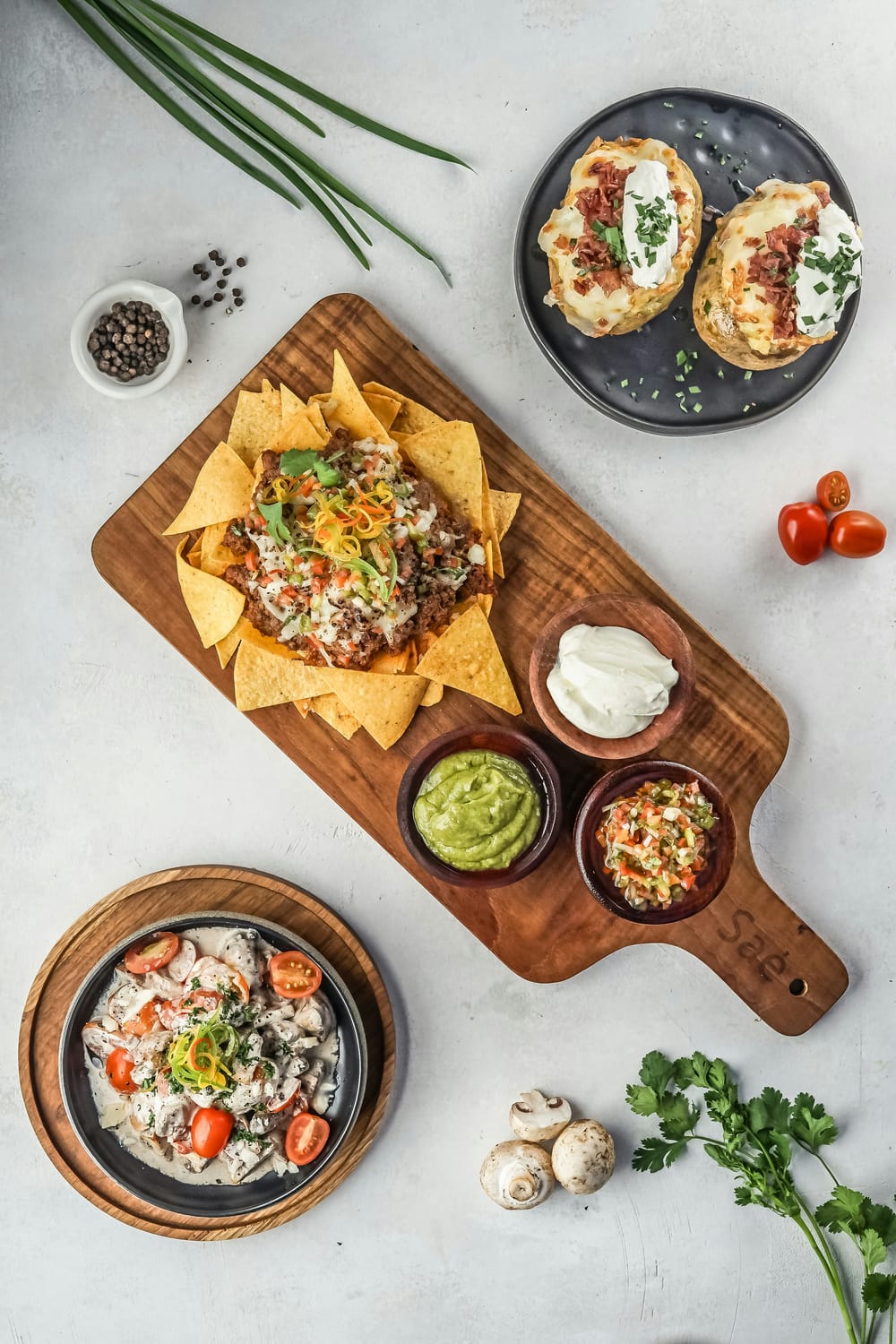
Personally, I feel it's such a gift from Allah that we get to use specific foods that are specifically helping our mental health by improving our brain environment. Alhamdulilah.
A healthy body and brain doesn't end with recipes though.
It's important to install some lifestyle basics as well, that, if you can commit to them most of the time, will keep your neurons healthy and your energy cycle running beautifully.
I teach you more about this in the Preparation Module of my Ramadan In Bloom Program, your guide (with sessions!) to an organized, energized and mentally focused Ramadan.

What is your favorite healthy iftar choice?
And what about suhoor, what keeps you energized throughout the day?
Let me and other readers know in the comments!








About me

Assalaamu 'alaykum wa rahmatullaah! I'm Amaani, your Islamic highest wellness coach and content writer. Passionate about Muslimah mental health from an Akhirah perspective!

Support the writer
Support the writer with a cup of coffee or a small donation to keep this blog going.